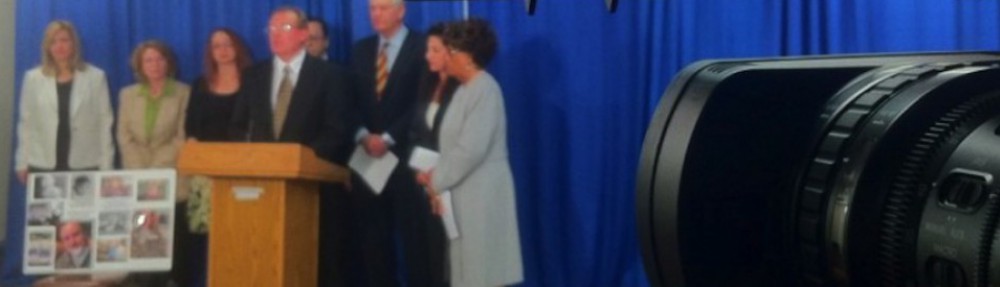

Maetta Vance was working at Ball State University when she was harassed by another employee who Vance alleged had the authority to tell her what to do and how to clock her hours. After filing repeated complaints, Vance sued the university for violating Title VII. The university argued that it could not be held liable because Vance’s harasser did not have the power to hire, fire, demote, promote, transfer or discipline her. Lower courts agreed. Vance appealed to the Supreme Court. [ Announcement of Friend of Court Brief filed by National Partnership For Women & Families ]

So, the question before the Supreme Court this Monday is whether or not the definition of supervisor in harassment cases should be limited to only those managers with the authority to hire and fire or discipline an employee. According to Sarah Crawford, the director of Workplace Fairness, “the Court’s decision will have important ramifications for the ability of victims of supervisor harassment to hold their employers accountable…The case is a chance for the Court to affirm a standard that furthers the purposes of Title VII – to root out harassment and make clear that employers will be held accountable when supervisors violate the law. A contrary ruling will have grave consequences for victims of harassment and the rights guaranteed by our nation’s equal employment opportunity laws. ” Continue reading
 Walmart tops the “leading retailer by employment chart” with over 2 million employees — next on the list is Target with only 365,000. Today Walmart workers will go on strike to demand fair wages among other issues. A
  Too many victims of bullying and harassment have seen their reputations torn to shreds as they struggle to heal and find new employment. In 2010 Dr. Katherine Murphy lost sexual harassment and retaliation claims against the Aventura City charter school she helped found and Aventura City Manager Eric Soroka. Later an
  Below is the part of the
  OUR BULLY PULPIT